Discover Grand Palace
Walking into Grand Palace feels like stepping into a place that has fed Chicago families for generations. Tucked at 225 W 26th St, Chicago, IL 60616, United States, this classic diner-style restaurant sits close to the heart of the city’s historic Chinese dining scene, and you can sense that legacy the moment you’re seated. I’ve eaten here with coworkers after long shifts and with family on noisy weekends, and every visit carries that same comforting rhythm of clinking plates, fast-moving carts, and steady conversation.
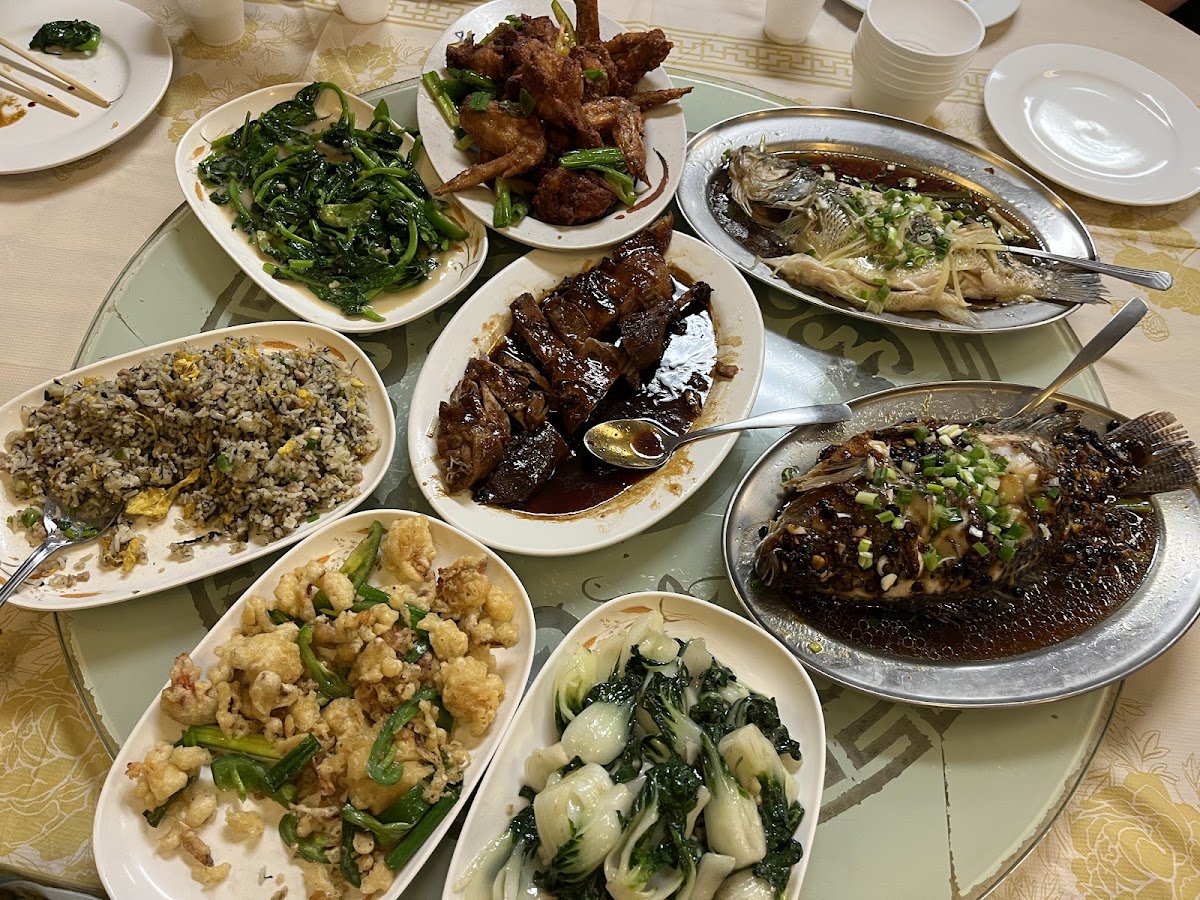
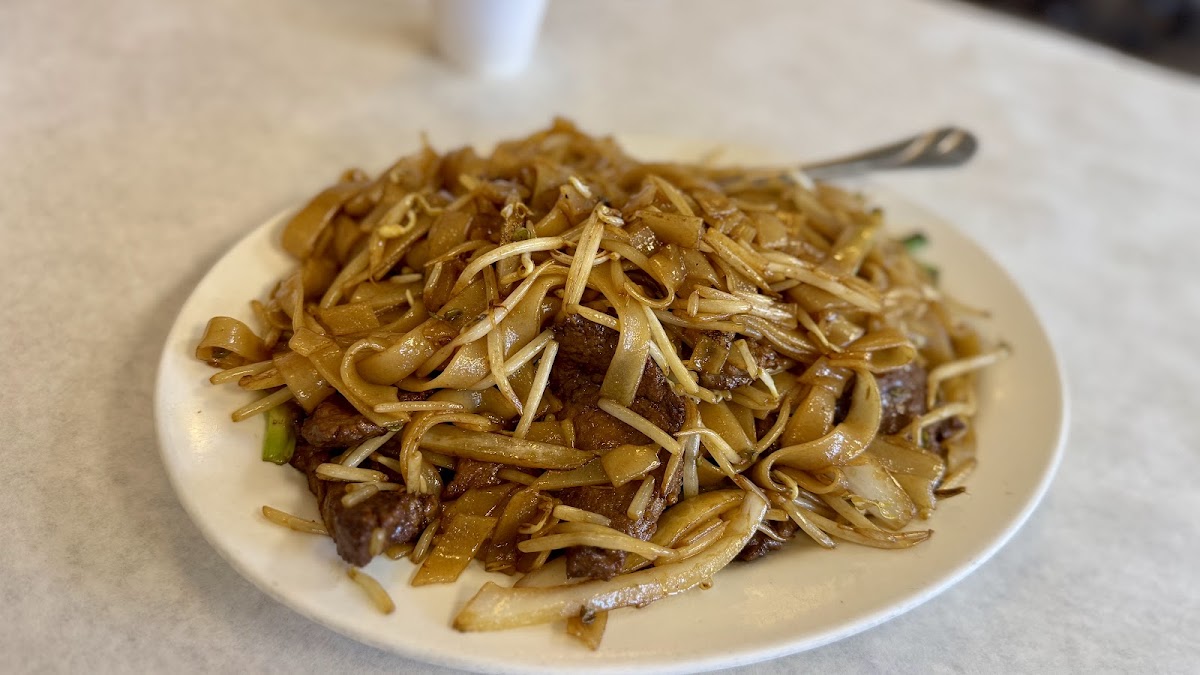
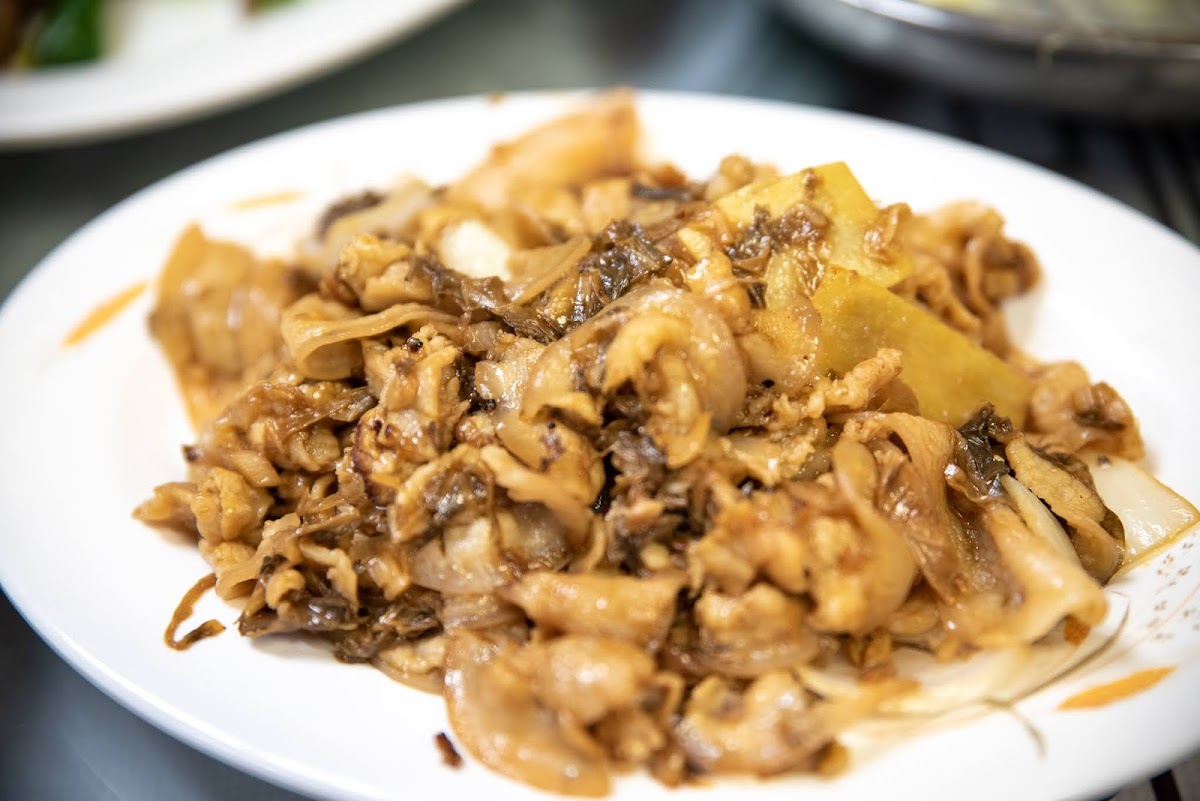
The menu leans heavily into traditional Cantonese cooking, especially the kind designed for sharing. During one weekend visit, I watched a nearby table order family-style, stacking the center with roast duck, seafood stir-fries, and bubbling clay pots. That approach isn’t accidental. According to food historians from the Chinese Culinary Institute, Cantonese dining emphasizes balance and variety, encouraging groups to taste multiple textures and flavors in one meal. You see that philosophy alive here, where ordering several dishes is the norm rather than the exception.
Dim sum remains one of the biggest draws. I still remember my first experience here, pointing at trays rolling by and trusting instinct. That process, choosing dishes visually instead of from a long description, makes the meal interactive and surprisingly educational. A study published by Cornell University on dining behavior found that visual cues significantly influence satisfaction and perceived freshness, which explains why those steaming baskets disappear quickly. Shrimp dumplings arrive translucent and tender, while pork buns balance sweetness with savory depth. Each dish reflects techniques that require precision, from dough hydration to exact steaming times.
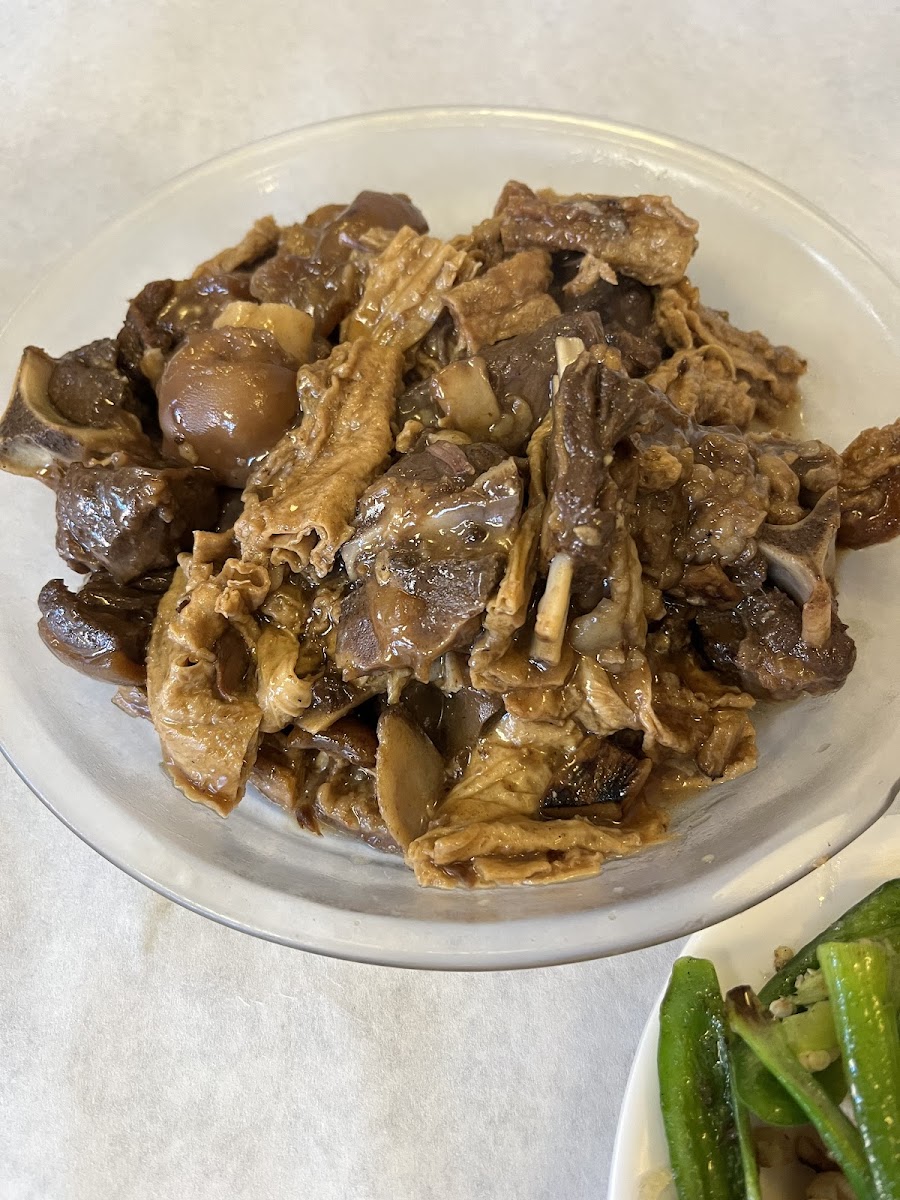
Beyond dim sum, the dinner menu offers heartier options that regulars swear by. Slow-roasted meats hang in view, signaling freshness and high turnover. The kitchen follows a method common in traditional Cantonese restaurants: meats are prepared early, rested, then finished to order to lock in moisture. Chefs trained in this style often emphasize temperature control over heavy seasoning, letting ingredients speak for themselves. That approach is backed by research from the Institute of Culinary Education, which notes that controlled heat preserves natural umami while reducing the need for excess salt.
Reviews from longtime patrons often highlight consistency, and that matters more than novelty in a neighborhood restaurant. I’ve spoken with diners who’ve been coming here for over a decade, ordering the same comfort dishes each time. That loyalty aligns with findings from the National Restaurant Association, which reports that consistency is one of the top three factors driving repeat visits. While trends come and go, this place sticks to what it knows, and that reliability builds trust.
Service moves quickly, sometimes briskly, but it’s part of the charm. You’re not rushed out; instead, the staff assumes you know the rhythm. On busy days, communication happens in shorthand, gestures, and nods. It can feel chaotic at first, yet it’s remarkably efficient. Still, it’s fair to note that newcomers expecting a quiet, drawn-out meal might find the pace surprising.
The location makes it easy to pair a meal with nearby errands or a short walk through surrounding neighborhoods. Parking can be tight during peak hours, something worth planning for, and menu availability may vary depending on season and supply. Those small uncertainties are common in long-running diners that rely on fresh ingredients rather than frozen stock.
What keeps people coming back is the feeling that nothing is forced. The food tastes like it’s meant to be eaten often, not just admired once. It’s the kind of place where authentic comfort food, family-style dining, and time-tested recipes aren’t marketing phrases but everyday practice, visible in the full tables and familiar faces that cycle through the dining room day after day.